

The Global Rise of Latin Music: How Reggaeton and Bachata Took Over the Charts
Latin music is no longer a niche genre. What was once largely celebrated within Spanish-speaking communities has now exploded into mainstream culture, streaming platforms, and global music charts. With stars like Bad Bunny, Shakira, J Balvin, and Romeo Santos leading the way, reggaeton, bachata, and other Latin rhythms are shaping the soundtrack of the modern world.
From nightclubs in New York to festivals in Tokyo, Latin music has become a universal language of celebration, identity, and cultural exchange.
The Roots of Latin Music’s Global Appeal
Latin music has always been rich in rhythm, passion, and storytelling. Genres like salsa, merengue, bachata, and reggaeton evolved out of cultural fusion — African beats, European instruments, and indigenous sounds blending into something unique.
Reggaeton, born in Puerto Rico during the 1990s, fused hip-hop, dancehall, and Latin beats into a sound that resonated across urban landscapes. Bachata, originally from the Dominican Republic, emerged as a genre of love, longing, and danceable melodies. Both were once dismissed as “street music,” but today, they’re at the heart of the global music industry.
Streaming platforms like Spotify and YouTube played a crucial role in this rise. Without traditional gatekeepers, Latin artists reached worldwide audiences directly. Songs in Spanish became hits even in countries where the language wasn’t widely spoken, proving that rhythm often transcends words.
Reggaeton and Bachata at the Top of the Charts
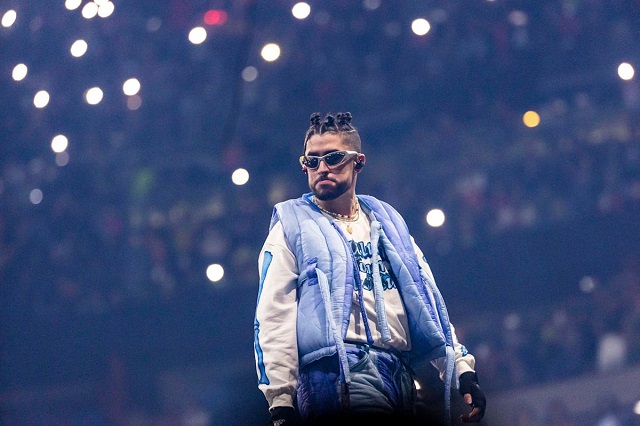
The numbers tell the story. Bad Bunny has consistently topped the Spotify Global Artist Chart, becoming the most streamed artist in the world for several consecutive years. His albums, filled entirely with Spanish lyrics, shattered the notion that English was the only path to mainstream success.
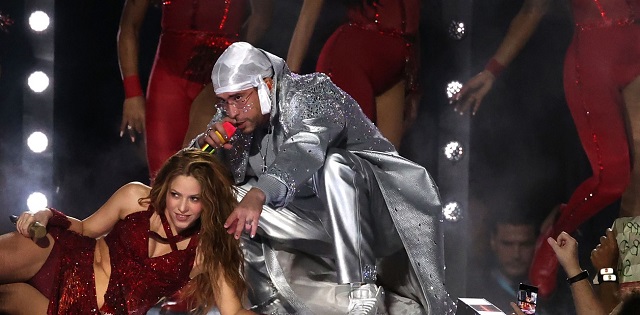
J Balvin, often called the “Prince of Reggaeton,” has collaborated with artists like Beyoncé, Cardi B, and Ed Sheeran, bridging cultures through music. Shakira, a pioneer of Latin crossover, continues to dominate stages from the Super Bowl halftime show to international tours.
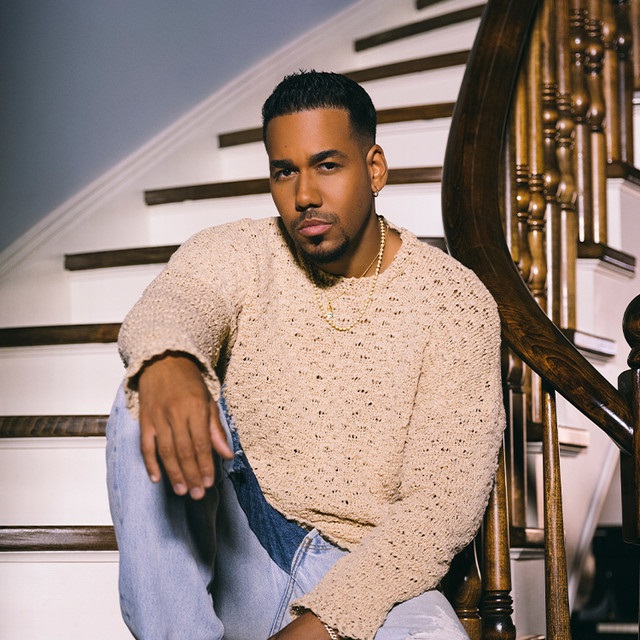
Meanwhile, bachata has found its global ambassador in Romeo Santos. Once the lead singer of Aventura, Santos brought bachata into arenas across the United States and Europe, selling out Madison Square Garden multiple times. His success proves that romantic guitar-driven ballads can coexist alongside reggaeton’s urban energy on the same playlists.
These artists not only dominate the charts but also influence fashion, dance trends, and social media culture, making Latin music a lifestyle as much as a sound.
The Future of Latin Music: A Global Phenomenon
The rise of Latin music isn’t just a trend — it’s a cultural shift. Younger generations identify with its rhythms, whether or not they speak Spanish. TikTok dances, Instagram reels, and viral challenges have propelled songs like “Despacito” and “Taki Taki” into global phenomena.
Collaborations between Latin artists and international stars are breaking down barriers even further. Reggaeton beats now appear in pop, EDM, and hip-hop tracks, while bachata influences ballads and R&B. The genre has proven adaptable, vibrant, and unstoppable.
As globalization continues, Latin music is poised to remain a driving force in shaping the future of the industry. Its essence — passion, rhythm, and storytelling — will keep resonating across continents, cultures, and generations.
Conclusion
Latin music has redefined what it means to be mainstream. Reggaeton and bachata, once considered underground or regional, now thrive at the heart of global culture. With stars like Bad Bunny, Shakira, J Balvin, and Romeo Santos continuing to lead the charge, the world is dancing to Latin beats — and it shows no signs of slowing down.