


Rock music has always been about rebellion, innovation, and adaptation. From its roots in the 1950s to its stadium-shaking dominance in the 1970s, and now to playlists streamed worldwide, rock has proven it can survive massive industry upheavals. The digital revolution—once thought to threaten rock’s existence—has instead reshaped how fans discover, consume, and cherish the genre.
In this article, we’ll explore how rock transitioned from vinyl records to digital platforms without losing its soul, why its legacy continues to thrive, and how artists and fans keep the spirit alive in the streaming age.
From Turntables to Cassette Decks: Rock’s Early Media Evolution
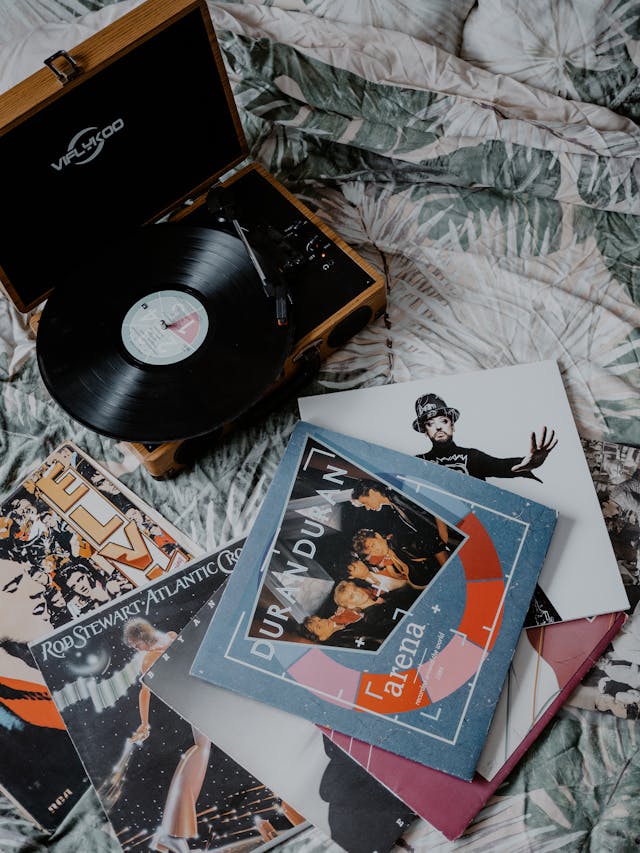
Before the digital wave, vinyl records were the lifeblood of rock culture. Album artwork was more than packaging—it was an art form, from Pink Floyd’s The Dark Side of the Moon prism to Nirvana’s Nevermind baby. Records demanded a ritual: placing the needle, flipping sides, listening without skipping. This tangible experience bonded fans to the music.
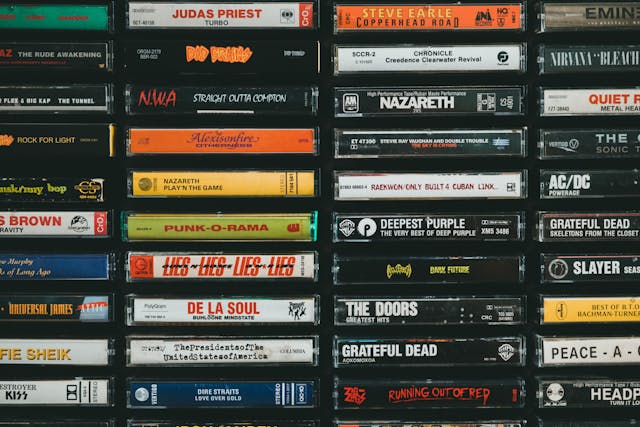
The 1970s and 1980s brought cassette tapes and later compact discs (CDs). Cassettes gave listeners portability—the iconic mixtape became a personal expression of taste and love. CDs, in turn, promised pristine audio and durability. Rock fans adapted, but the essence remained: albums were still consumed as cohesive artistic statements.
Yet lurking in the background was a new force: digital technology, which would soon disrupt everything.
The Digital Disruption: From MP3s to Streaming
The late 1990s brought Napster, file sharing, and the rise of MP3s. For the first time, rock was accessible in a way that bypassed record stores entirely. While this democratized access, it also devastated album sales and challenged the business model of both artists and labels.
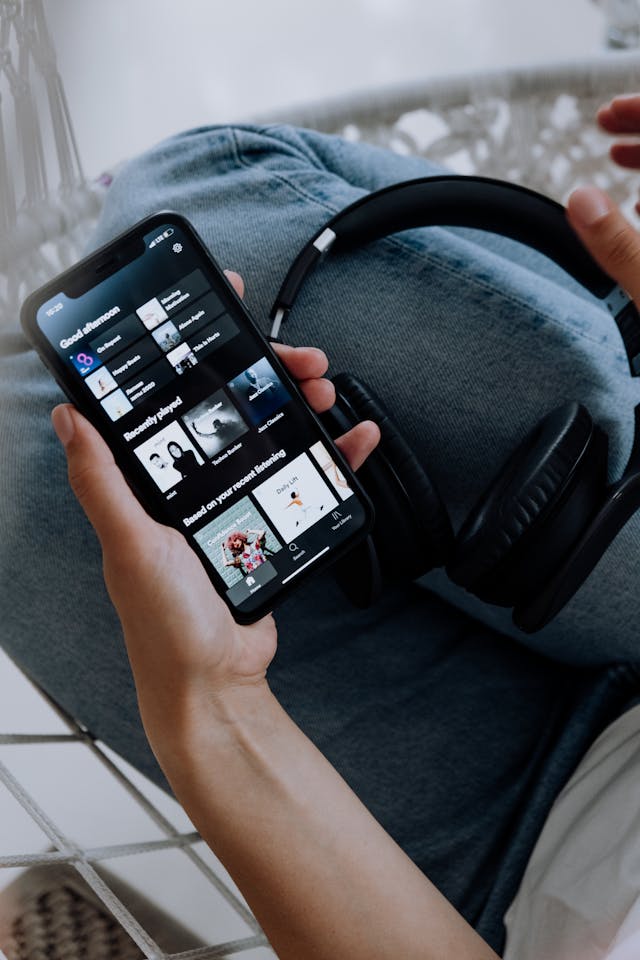
Some predicted rock’s downfall, arguing that digital consumption diluted the culture of full albums. But rock adapted. Bands embraced digital downloads, then streaming platforms like iTunes, Spotify, and Apple Music. Playlists replaced mixtapes. Viral hits and algorithmic recommendations put both classic and emerging rock acts into new ears across the globe.
Streaming didn’t kill rock—it gave it new life. Catalog classics like Led Zeppelin and The Rolling Stones now co-exist with indie rock newcomers, all discoverable in a single app. In many ways, streaming expanded rock’s audience rather than shrinking it.
The Vinyl Comeback: Nostalgia Meets Modern Tech
Ironically, while streaming became the norm, vinyl records staged a comeback. In the 2010s, vinyl sales surged, driven by younger fans who never experienced the format’s golden age. For rock lovers, vinyl represents authenticity, warmth, and collectability that digital formats can’t replicate.
This revival speaks volumes about rock’s staying power. While listeners enjoy the convenience of streaming, many still crave the tangible connection of a record in hand. Bands have embraced this trend by releasing limited-edition vinyl alongside digital drops, marrying nostalgia with modern accessibility.
The balance between streaming and vinyl proves that rock is more than just sound—it’s an experience that evolves with technology while honoring tradition.
Why Rock Survives Every Shift
Rock’s survival isn’t just about formats—it’s about spirit. Each new technological wave could have erased the genre, yet rock’s adaptability keeps it relevant:
-
Cultural resilience: Rock has always embodied freedom, rebellion, and emotion—values that transcend media.
-
Fan devotion: Whether vinyl collectors or Spotify playlist curators, fans remain fiercely loyal.
-
Artist innovation: Rock musicians leverage social media, streaming analytics, and digital marketing to reach wider audiences than ever before.
The digital shift hasn’t weakened rock—it has diversified it. Today, you can just as easily binge a Led Zeppelin vinyl as you can discover a new indie band through a streaming algorithm. Rock’s ability to bridge these worlds ensures it will continue to resonate for generations.
Conclusion: Rock’s Timeless Rhythm in a Digital World
From vinyl grooves to digital streams, rock music has endured every shift without losing its soul. Its adaptability proves that while the medium changes, the message—freedom, rebellion, and raw human expression—remains timeless.
Whether you’re dropping a needle on a classic LP or hitting play on a curated playlist, rock’s heartbeat continues to echo across formats and generations.
👉 Discover more music news here.