
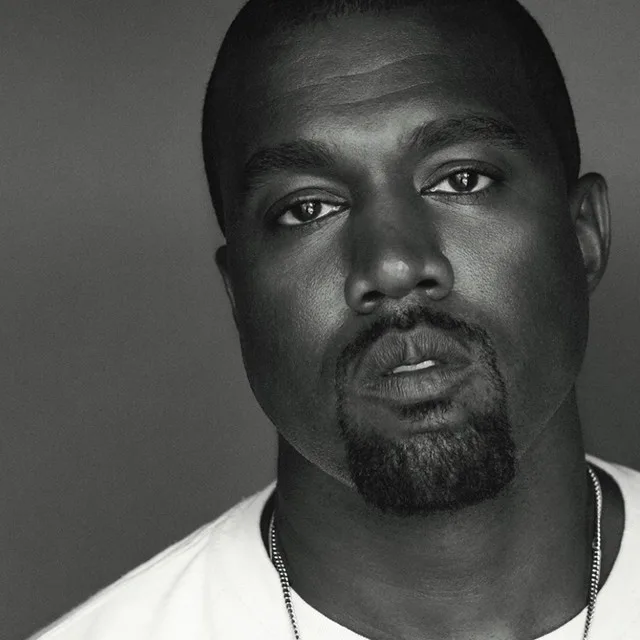

Kanye West Publishes Full-Page WSJ Apology Addressing Mental Health and Past Harm
Kanye West, now officially known as Ye, has chosen one of the most traditional platforms imaginable to deliver one of the most personal messages of his career. In a full-page letter published in The Wall Street Journal, addressed simply to “Those I’ve Hurt,” the artist offers a rare, direct apology for the words and actions that have defined his most controversial years.
It’s not a tweet. Not a livestream. Not a cryptic IG caption. It’s ink on paper, aimed at permanence.
In the letter, Ye frames his recent behavior through the lens of long-untreated mental health issues, tracing a pivotal moment back to a 2002 car accident that left him with a fractured jaw and, according to his account, an undiagnosed injury to his frontal lobe. That injury, he says, went unrecognized for over two decades and contributed to his eventual diagnosis of bipolar I disorder in 2023.
“I lost touch with reality,” Ye writes plainly, describing extended periods where his behavior was “disconnected” from who he believes he truly is. He acknowledges that ignoring his condition only deepened the damage, admitting he hurt the people closest to him and caused fear, confusion, and humiliation in the process.
The most striking passages arrive when Ye confronts his own lack of accountability head-on. He describes bipolar disorder as an internal adversary, capable of disguising itself as clarity and confidence while pushing him toward reckless decisions. He references a four-month manic episode in 2025, calling it “psychotic, paranoid, and impulsive,” and credits it with devastating personal and professional consequences.
The letter also directly addresses one of the most damaging chapters of his public fallout: his use of extremist imagery and rhetoric. Ye states he is “deeply ashamed” of invoking symbols such as the swastika and firmly rejects the labels that followed. “I am not a Nazi. I am not antisemitic. I love Jewish people,” he writes, offering explicit apologies to both Jewish communities and the Black community, which he calls “the foundation of who I am.”
Importantly, Ye doesn’t ask for a clean slate. He stresses that his apology should not be treated as absolution, positioning it instead as part of a longer process involving therapy, medication, physical health, and what he describes as “clean living.” The goal, he says, is clarity and a return to making art that contributes something positive rather than destructive.
The timing is impossible to ignore. The letter arrives just days before the long-delayed release of his upcoming project Bully and ahead of his scheduled Italian performance on July 18, 2026, at RCF Arena in Reggio Emilia. It also follows years marked by severed brand partnerships, social media bans, and a near-total collapse of his mainstream industry standing.
Whether this marks a genuine turning point or simply another chapter in Ye’s endlessly complicated narrative remains to be seen. But choosing reflection over provocation, and accountability over spectacle, is a notable shift. In an era built on instant reactions, Ye opted for something slower, heavier, and harder to ignore.
That alone makes this moment culturally significant.