
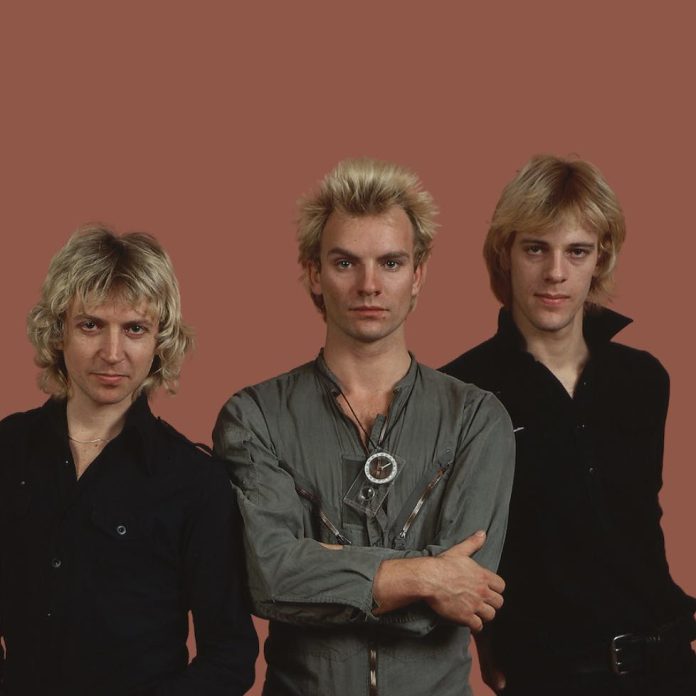

Rock legends are back in the headlines—but not for a reunion tour. Andy Summers and Stewart Copeland, Sting’s former bandmates in The Police, have filed a lawsuit against him in London’s High Court, claiming they are owed more than $2 million in unpaid royalties.
At the core of the dispute is a long-standing agreement dating back to 1977, when the trio verbally agreed to share publishing income. Summers and Copeland insist this deal was later formalized in writing and reaffirmed multiple times, most recently in 2016. Sting, however, disputes the interpretation and argues his bandmates have already been fairly—if not overly—compensated.
What the Lawsuit Claims
Summers and Copeland argue they are entitled to an “arranger’s fee” from the digital exploitation of The Police’s catalog, which includes timeless hits like Roxanne, Message in a Bottle, Don’t Stand So Close to Me, and Every Breath You Take.
They insist that both mechanical royalties (from sales and streaming) and performance royalties (from radio play, live performances, or public broadcasts) should be shared. Sting’s legal team counters that only mechanical royalties apply under the 2016 agreement and calls the case an “illegitimate attempt” to reinterpret past deals.
Court filings also reveal conflicting accounts of the original “oral agreement.” Summers recalls it being struck outside their manager’s office in Notting Hill, while Sting says it was more of a casual suggestion from Stewart Copeland at his Bayswater flat.
A Legacy of Tension in The Police
The lawsuit isn’t just about money—it’s reopening old wounds. The Police, who dominated charts between 1977 and 1984, split after years of personal and creative clashes. Their 1983 album Synchronicity was both their biggest success and their most turbulent recording process, with Copeland later admitting the band “beat the crap out of each other” during sessions.
Despite the acrimony, the music endures. Every Breath You Take remains one of the most played songs in radio history and even found new life in P. Diddy’s I’ll Be Missing You (1997).
Meanwhile, Sting has thrived as a solo artist, selling his songwriting catalog to Universal Music Group in 2022 in a deal reportedly worth $200 million.
What Happens Next?
An administrative hearing is scheduled for January 2025, where the High Court will examine whether Summers and Copeland are indeed entitled to further royalties from streaming and other digital platforms. Sting’s lawyers argue the case should be dismissed, but his former bandmates remain confident.
For fans, the lawsuit is a reminder that even legendary bands often carry unfinished business long after the music stops.