

The Evolution of Pop: From the ’80s to Today’s Global Hits
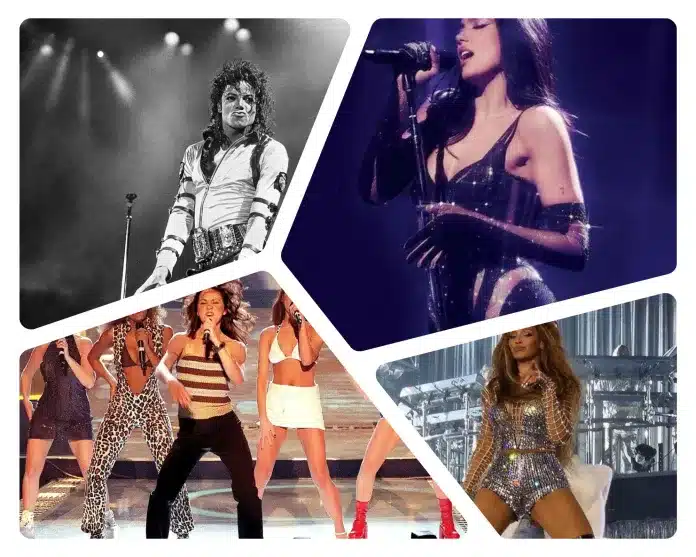
Pop music is more than just a genre — it’s culture, fashion, and emotion. From the synth-driven anthems of the ’80s to today’s worldwide chart-toppers dominating streaming platforms, its journey has been full of transformations.
The Golden Era of the ’80s
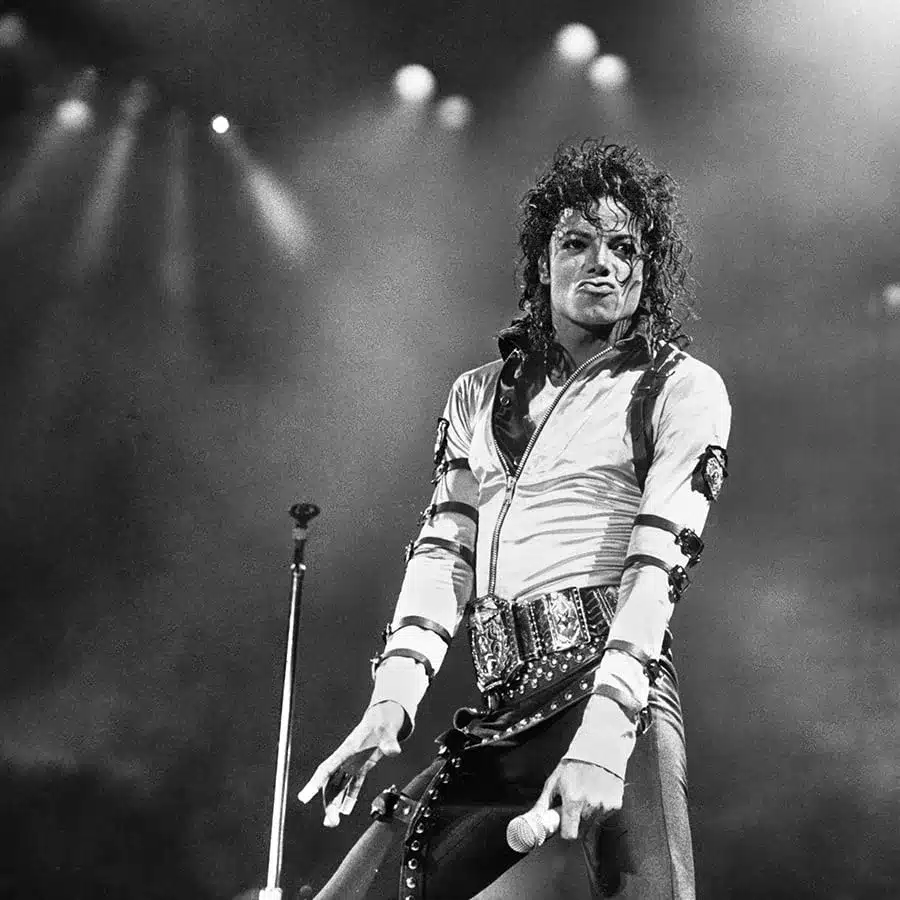
The 1980s marked a major boom for pop, fueled by the rise of MTV and the music video revolution. Artists like Michael Jackson, Madonna, and Prince defined both the sound and the visual style of the decade. With heavy use of synthesizers, drum machines, and danceable beats, the ’80s pop sound became instantly recognizable. Songs were packed with catchy hooks, while music and fashion moved forward hand in hand.
The ’90s and 2000s: From Boy Bands to Digital Downloads
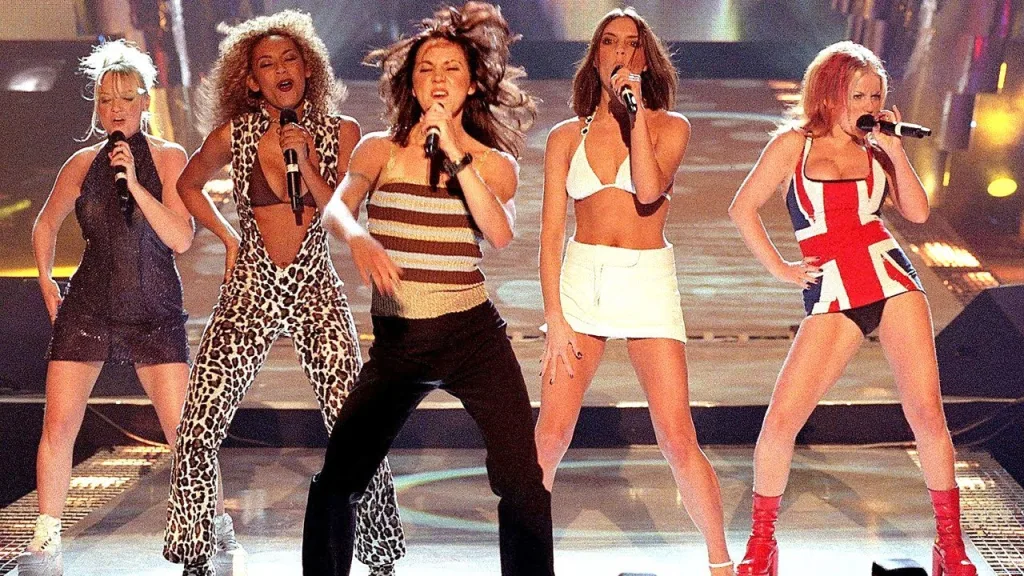
The ’90s brought the era of boy bands and girl groups, with Backstreet Boys, Spice Girls, and NSYNC dominating the charts. At the same time, pop began to blend with R&B and hip-hop, expanding its reach. In the 2000s, the digital revolution and iTunes transformed how music was consumed, making pop more accessible than ever. Britney Spears, Beyoncé, and Christina Aguilera brought powerhouse vocals and theatrical stage performances that pushed the genre forward.
2010 to Today: Streaming, Social Media, and Global Hits
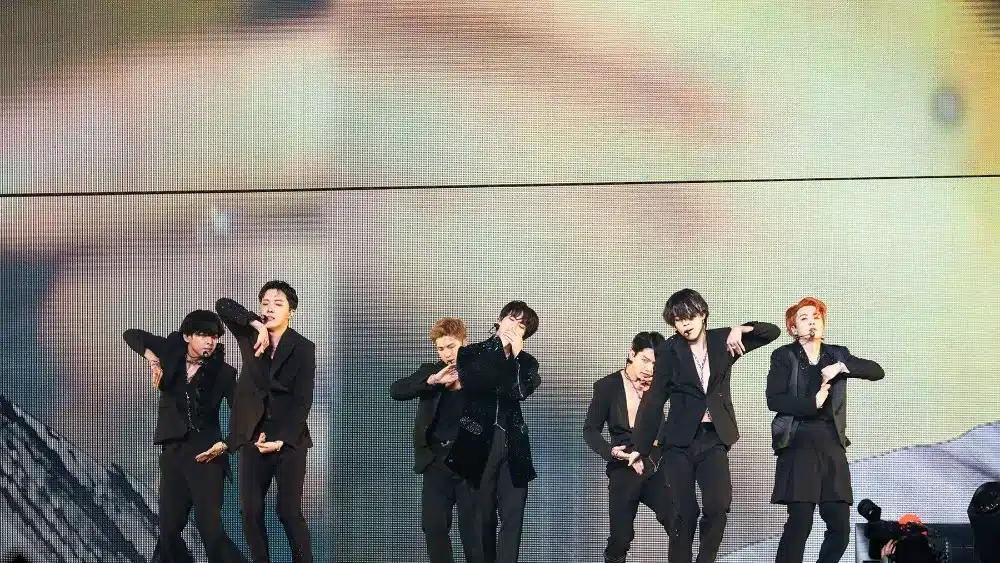
Pop music today is more international than ever. Artists like Taylor Swift, Dua Lipa, and The Weeknd can release a track and watch it go viral globally within hours, thanks to streaming platforms and social media. The rise of K-pop, with groups like BTS and BLACKPINK, shows that pop now transcends borders. The sound is a fusion of genres — from trap beats and EDM to retro ’80s influences — creating a universal musical experience.
Pop continues to evolve, drawing from its past while adapting to modern trends. From cassette tapes and CDs to TikTok trends, the heart of pop remains the same: to make us dance, sing, and feel.